
The Making of a Military Queen
The Constant PrincessThis thread follows Katherine’s transformation of childhood exposure to warfare into strategic command of England’s defenses.
increasing Bearing strength in each event
 decreasing
Bearing strength in each eventdecreasingWar as Childhood
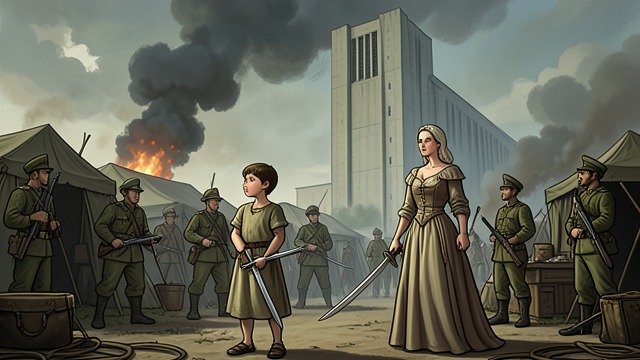
The Camp Shapes Her
Witness to danger
Catalina grows up among sieges, fires, and military discipline. Isabella of Castile models leadership as visible action under pressure.
A complicated inheritance
The child admires courage but also absorbs a crusading certainty that treats war as sacred duty. Later losses will challenge that certainty.
Arthur’s Strategic Education

A Shared Defense Plan
Learning from experience
Arthur listens as Catalina explains campaigning, supplies, border defense, and the value of law. Her childhood knowledge fills gaps in his English education.
Plans for a reign
They imagine forts, ships, and stronger institutions. Their plans become a private model for the work Katherine later undertakes alone.
Preparing for the Scots

A Threat Close at Hand
Border intelligence
Katherine treats Scottish raids as a strategic danger rather than a minor nuisance. She studies reports and understands how difficult border country favors an attacker.
Plans before crisis
She arranges musters and supplies while Henry focuses on France. Her preparation gives England options when Scotland finally invades.
The Queen Takes the Field
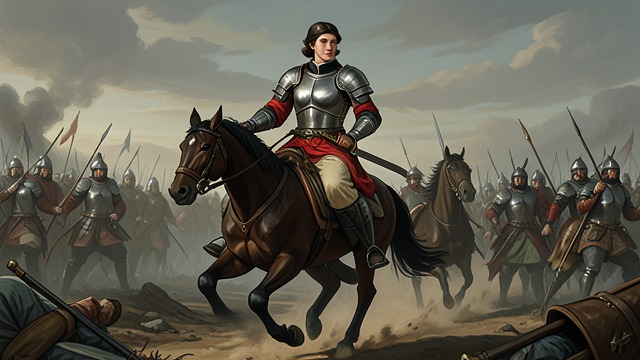
Leadership Made Visible
Defying convention
Katherine dons armor and rides with the army. Her presence reassures troops who might otherwise interpret a queen’s retreat as a sign of defeat.
A defensive strategy
She keeps forces in reserve and advises Thomas Howard, Earl of Surrey, against attacking the Scots uphill. Command means planning for failure as well as victory.
Victory Without Vengeance
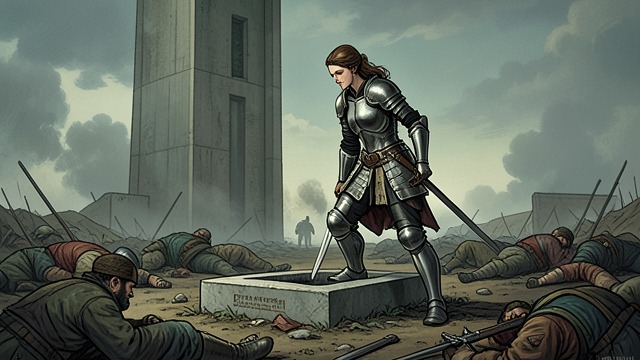
A Different Kind of Triumph
The enemy defeated
The Scottish king and many leading nobles die in the English victory. Katherine has achieved the strategic success she sought.
Restraint as policy
She refuses to exploit defeat through devastation and offers peace to Scotland. Her experience teaches her that victory without reconciliation can renew war.
1491–1492, during and after the Granada campaign
Winter 1502, at Ludlow Castle
1511–1513, before the invasion
Summer 1513, during the Scottish invasion
10 September 1513, after Flodden
